Is Dust Bad for Kids? Why Regular Dusting Matters

A little dust on the furniture might not seem like a big deal. When you've got children running through the house, toys everywhere, and a full schedule, dusting can easily become something you put off until next weekend.
But dust isn't always just a cosmetic issue.
Household dust can contain dust mite allergens, pollen, pet dander, and other particles that can aggravate allergies or asthma in children who are sensitive to them. That's one reason regular dusting deserves more attention in homes with kids.
What's Actually Hiding in Household Dust?
Dust isn't one single substance. It's a mixture of particles that collect on furniture, floors, bedding, and other surfaces.
Some of those particles are harmless. Others can include allergens that bother sensitive family members.
Dust mites are a particular concern. These microscopic creatures live in many homes, especially in bedding, carpets, and upholstered furniture. Their waste and body fragments can trigger allergic reactions or asthma symptoms in people who are sensitive to them.
Florida's humid climate can also make controlling dust mites more challenging because they thrive in moist environments.
Why Children Deserve Extra Attention
Young children spend plenty of time close to the floor. They crawl, play with toys, touch surfaces, and frequently put their hands near their mouths.
That makes the spaces where they play and sleep worth prioritizing when cleaning.
For a child with allergies or asthma, exposure to certain particles in household dust may contribute to sneezing, a runny nose, coughing, or breathing symptoms.
Not every child will react to dust the same way, and dust isn't the explanation for every respiratory symptom. Still, reducing known indoor triggers is a practical part of maintaining a healthier home environment.
Dusting the Wrong Way Can Spread More Dust
There's another problem with putting off dusting. When buildup finally becomes noticeable, it's tempting to grab a dry duster and sweep everything away.
That can send settled particles back into the air.
The Environmental Protection Agency recommends using a damp cloth to help capture dust rather than simply stirring it up. Vacuuming with a HEPA-filtered vacuum can also help control dust and allergens.
When possible, children with dust allergies or asthma should stay away from rooms while vacuuming or dusting is underway.
The goal is to remove dust, not just move it somewhere else.
The Places Parents Shouldn't Overlook
Cleaning the kitchen counters and living room furniture is a start, but children's bedrooms and play areas deserve particular attention.
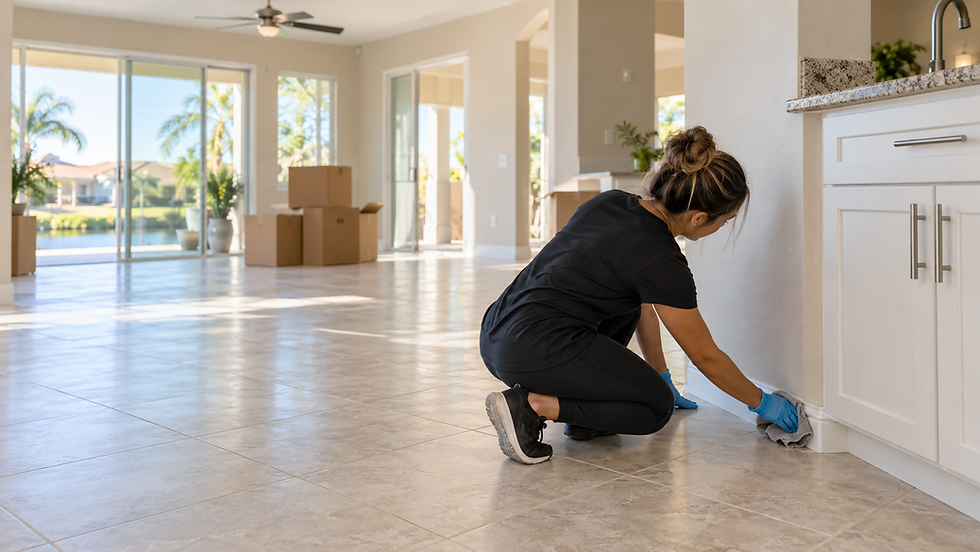
Dust can collect along baseboards, on shelves, around window ledges, and on surfaces surrounding beds. Carpets, upholstered furniture, and soft toys can also hold allergens.
A consistent routine should include wiping accessible hard surfaces, cleaning floors, and keeping bedding fresh.
The CDC recommends washing bedding weekly and drying it completely as part of reducing dust mite exposure for people with asthma.
It's also worth remembering that more cleaning products don't automatically mean better cleaning. Strong fragrances and certain cleaning chemicals can irritate sensitive airways.
How Often Should You Dust With Kids in the House?
There's no single schedule that works for every household.
A home with pets, carpeting, several children, or a family member with allergies may need more frequent attention than a home where dust accumulates slowly.
Weekly attention to floors, frequently used surfaces, and bedding is a reasonable starting point. From there, adjust based on your home's conditions and any advice from your child's healthcare professional.
The important part is consistency.
Keeping Up With Dust Shouldn't Become Another Chore You Dread
Your home doesn't need to be spotless. But letting dust collect week after week can increase exposure to indoor particles that are worth controlling, especially when children have allergies or asthma.
Regular cleaning is one practical way to manage that buildup. It doesn't replace medical care, moisture repairs, or other measures needed to address specific allergy triggers.
At Ascend Home & Commercial Cleaning, we help homeowners throughout North Port and surrounding communities stay on top of their household cleaning needs.
If dusting and routine upkeep keep falling to the bottom of your list, we can discuss a cleaning schedule that fits your home.

Comments